
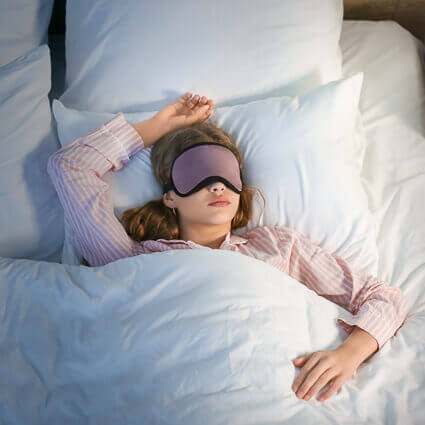
 World Sleep Day (13 March) shines a light on the importance of healthy sleep habits and how they support overall wellbeing. While many people focus on mattresses, routines, or screen time, oral health can also play a crucial role in restful sleep.
Some people grind or clench their teeth while sleeping, a condition known as bruxism. This often happens without you noticing and may lead to jaw tension, headaches, or tooth wear over time. In some cases, it may also contribute to disrupted sleep (especially if jaw discomfort wakes you during the night).
A custom night guard is designed to sit comfortably over your teeth while you sleep. It creates a protective barrier that helps reduce pressure from grinding or clenching. Many people find that wearing a night guard supports more comfortable sleep and helps them wake feeling more refreshed.
What Causes Teeth Grinding at Night?
Bruxism can happen for a number of reasons. Stress is a common factor, but it’s not the only one. Genetics, facial structure, bite alignment, and sleep habits may also play a role.
Common signs of nighttime grinding include:
- Morning jaw soreness
- Frequent headaches upon waking
- Worn or flattened teeth
- Increased tooth sensitivity
If these symptoms sound familiar, a dentist can check your teeth and discuss whether a night guard may help protect your smile.
Supporting Better Sleep and Oral Health
World Sleep Day encourages everyone to take small steps towards healthier sleep. Protecting your teeth is one part of that picture.
A custom night guard is made to fit your teeth precisely (which often feels more comfortable than store-bought options) and is designed to stay securely in place throughout the night. With proper care, many night guards can last for years.
If you suspect nighttime grinding may be affecting your rest, contact Smiles On Grenfell in Adelaide CBD. A dental visit can help identify the signs and discuss options that support both your sleep and your oral health.